Herbs & foods10 min
Ajwain (carom): a digestive spice for heavy meals, tadkas and parathas
A pinch of ajwain transforms heavy foods like pakoras, puris, rajma and parathas, making them easier to digest. It's one of the most-used home remedies for gas and indigestion. Here's a practical guide to cooking with it and making a handy digestive mix.

The Ayurvedic view
Yavani, as Ayurveda calls ajwain, is sharp, pungent and hot. It's described as kindling agni, the digestive fire, and relieving vata and kapha — bloating, colic, a heavy stomach and a cold, congested chest. Its sharp aroma comes from thymol, a natural compound with antimicrobial properties. The traditional instinct of adding ajwain to fried and heavy foods is a practical piece of Ayurvedic wisdom.
Ingredients
- 2 tablespoons ajwain
- 1 tablespoon saunf (fennel)
- ½ teaspoon black salt
- A little lemon juice
How to prepare
- Digestive mix: soak ajwain in lemon juice with black salt for an hour, then dry-roast on low heat until crisp. Cool and mix with lightly roasted saunf. Store in a small jar.
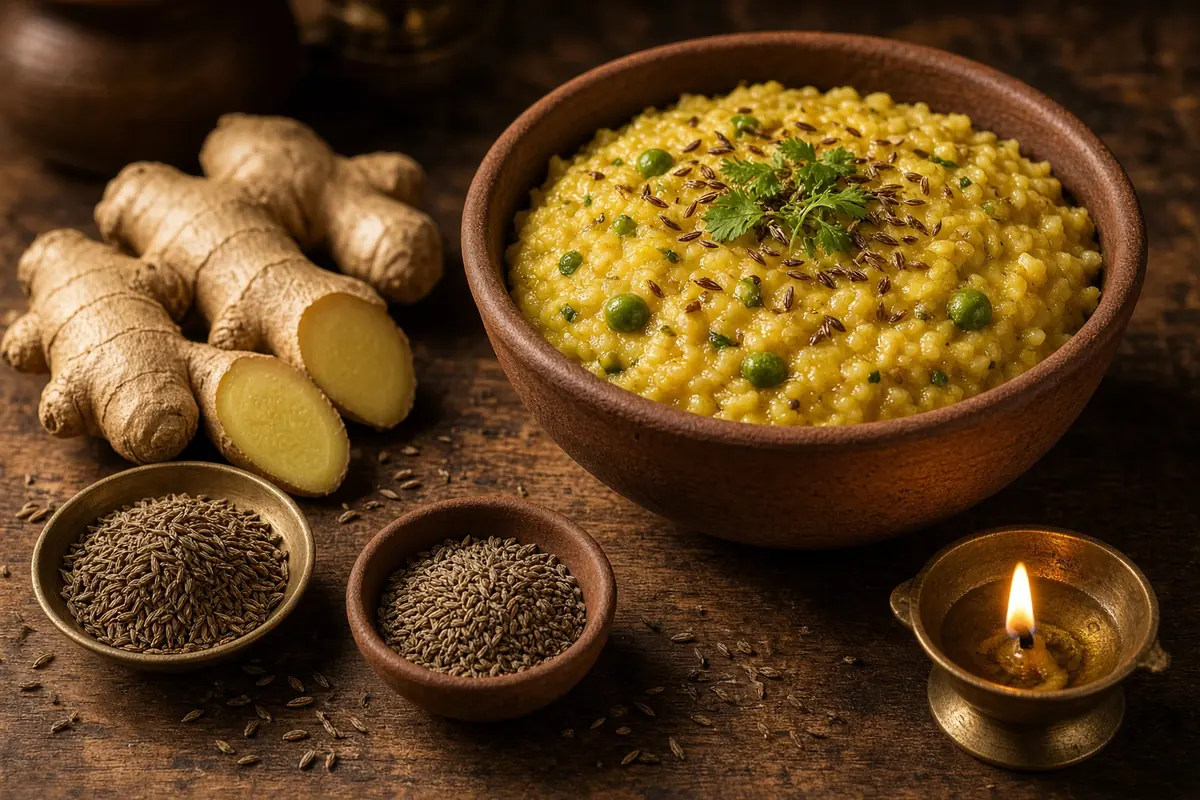
- In cooking: add ½ teaspoon ajwain to the dough of parathas, puris, mathri and pakora batter, or to the tadka for dals like rajma, chana and urad.
How to use
- Chew ¼–½ teaspoon of the digestive mix after heavy meals.
- Use ajwain regularly in foods known to cause gas: beans, root vegetables, fried snacks and besan.
Helpful habits
- Ajwain leaves (the thick, fragrant ‘doddapatre’ or Indian borage) are a different plant, but are also used for cough in South India — as bhajjis or in chutney.
- Rubbing ajwain between your palms before adding it releases more aroma.
Precautions
- Ajwain is heating — use less if you have acidity, ulcers, heartburn or feel hot and irritable.
- Avoid medicinal amounts during pregnancy; cooking amounts are fine.
- For infants, don't give ajwain water or other home preparations by mouth without a paediatrician's advice.
- See a doctor for persistent indigestion, weight loss, vomiting, black stools or pain that wakes you at night.