Herbs & foods10 min
Haldi (turmeric): getting the most from India's golden spice
Turmeric colours nearly every Indian dal and sabzi. Its active compound, curcumin, has anti-inflammatory and antioxidant properties, but it's poorly absorbed on its own. Cooking it in a little fat with black pepper, and using it daily in food, is the traditional — and smartest — approach.
The Ayurvedic view
Haridra is praised in Ayurveda as a blood purifier, wound healer and skin brightener, and as a remedy for cough, diabetes-related complaints (prameha) and joint pain. It's bitter, pungent and warming. Indian cooking instinctively solved the absorption problem long before science explained it: turmeric is almost always tempered in oil or ghee with pepper and other spices, which greatly improves the uptake of curcumin.
Ingredients
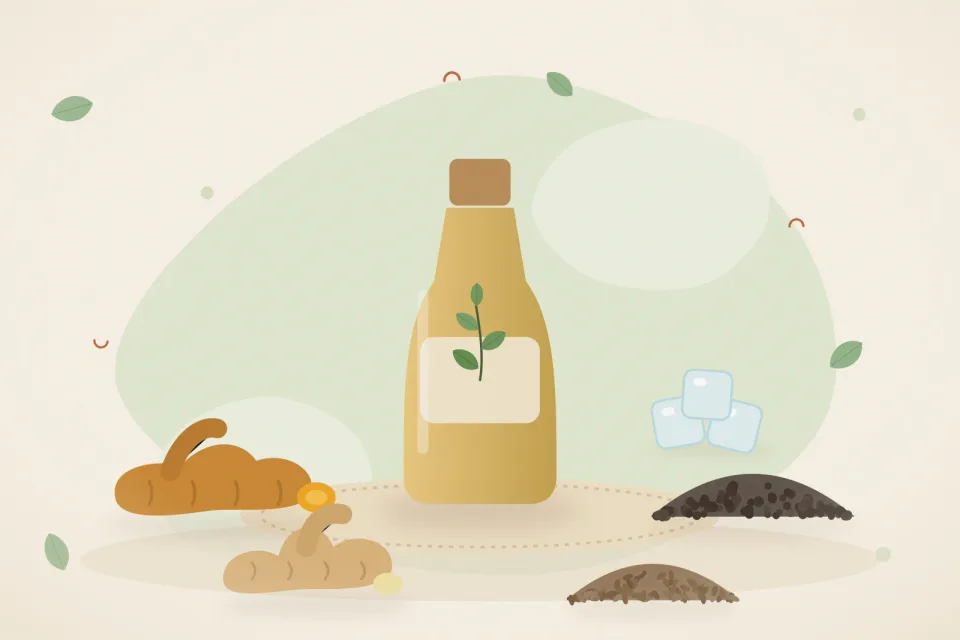
- Good-quality turmeric powder, or fresh turmeric root in winter
- Ghee or oil, a pinch of black pepper
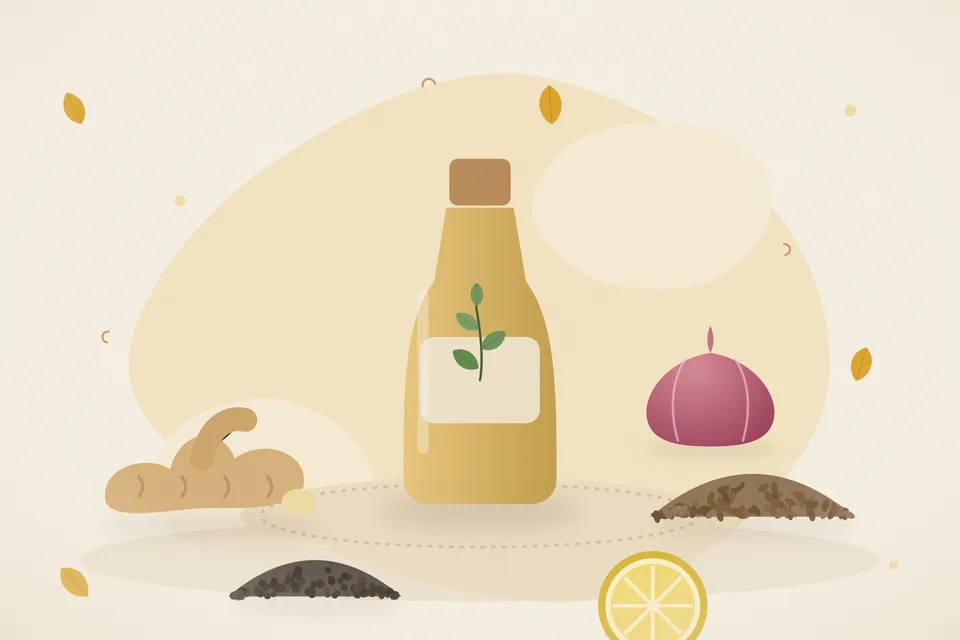
- Fresh turmeric pickle: 100 g fresh turmeric, a little ginger, lemon juice and salt
How to prepare
- In everyday cooking, add turmeric to the hot tadka with ghee or oil and a little pepper, rather than sprinkling it raw at the end.
- Winter pickle: peel and cut fresh turmeric and ginger into thin sticks, toss with salt and plenty of lemon juice, and keep in a clean glass jar in the fridge for up to 2 weeks.
How to use
- Use about ¼–½ teaspoon of turmeric per person per day across your meals.
- Eat a teaspoon of the fresh turmeric pickle with lunch.
- For minor cuts and scrapes, a pinch of clean turmeric sprinkled after washing is a traditional first-aid step.
Helpful habits
- Buy turmeric from trusted brands — cheap loose powder is sometimes adulterated with colours like lead chromate or metanil yellow.
- Fresh turmeric stains; wear gloves when cutting it.
Precautions
- Turmeric in food is safe for most people. High-dose curcumin supplements are a different matter — avoid them in pregnancy and check with your doctor if you have gallstones, liver disease or take blood thinners, diabetes medicines or antacids.
- Rare cases of liver injury have been linked to curcumin supplements, especially ‘enhanced absorption’ products.
- Deep or dirty wounds, animal bites and burns need medical care, not turmeric.