Shilajit resin vs capsule vs powder: which form should you choose?
An honest comparison of shilajit resin, capsules, powder and gummies — processing, dosing, convenience and what to check on each label.
Published 26 September 2026 · 3 min read
Shilajit is sold in several forms: resin, capsules or tablets, powder and, more recently, gummies. None of them is "best" for everyone. The right choice depends on what matters to you: how processed it is, how convenient it is, and how easy it is to check.
Shilajit resin
Resin is purified shilajit in its semi-solid form, and the least processed option.
- Pros: closest to the traditional form; easy to inspect at home (texture, dissolving); flexible dose; usually just one ingredient.
- Cons: sticky; you measure by eye (rice-grain to pea-sized); strong earthy taste; texture changes with the weather.
- Suits: people who want the traditional form and don't mind a 1-minute routine.
Shilajit capsules and tablets
These usually contain a dried shilajit extract, sometimes mixed with other herbs and fillers.
- Pros: convenient and portable; fixed dose; no taste.
- Cons: you can't see or test the shilajit inside; strength and other ingredients vary by brand; more processing.
- Suits: people who travel a lot or dislike the taste. Check the amount of shilajit per capsule and the full ingredient list.
Shilajit powder
Powder is dried and ground shilajit extract.
- Pros: easy to mix into drinks.
- Cons: absorbs moisture and clumps; easier to mix with other powders, so the label matters even more.
- Suits: people who prefer mixing with drinks, and trust the brand.
Shilajit gummies
Gummies are a newer, sweetened form.
- Pros: pleasant taste, easy to take.
- Cons: added sugar and other ingredients; shilajit content varies; not a traditional form.
- Suits: only if the label clearly shows the amount of shilajit and you are fine with the sugar.
Quick comparison
- Least processed: resin
- Most convenient: capsules
- Easiest to check at home: resin
- Fixed dose: capsules and gummies
- Fewest extra ingredients: usually resin — always read the label
What to check whatever form you buy
Whatever the form, look for the manufacturer's licence number, address, batch number, dates, net quantity, dose and cautions. See how to identify original shilajit.
Why we chose resin
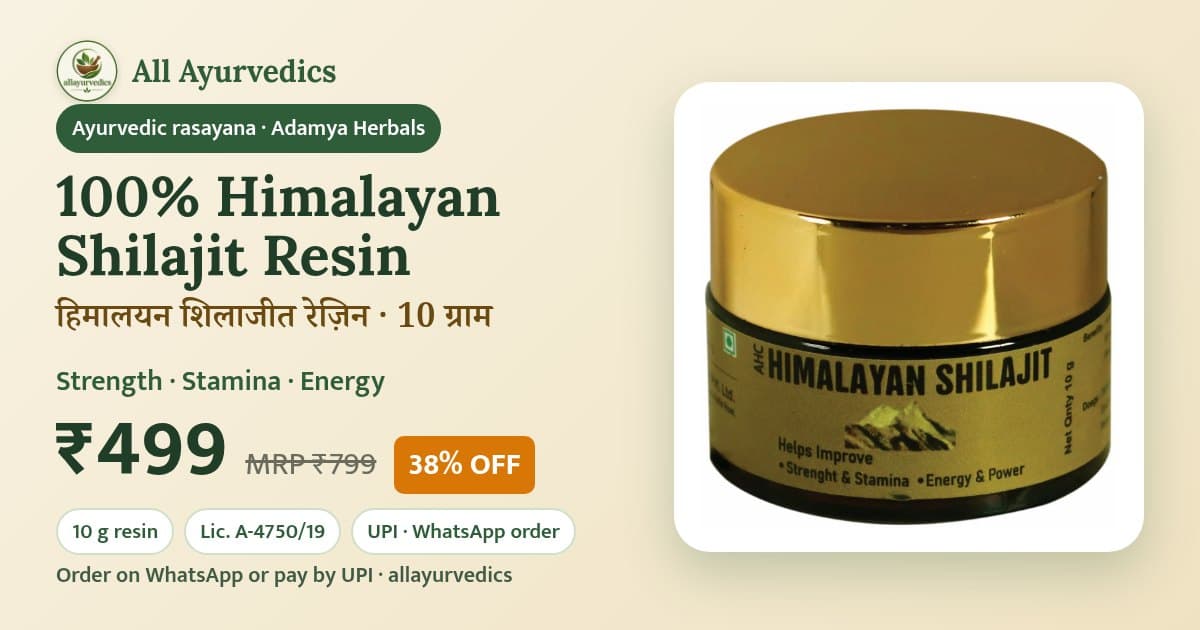
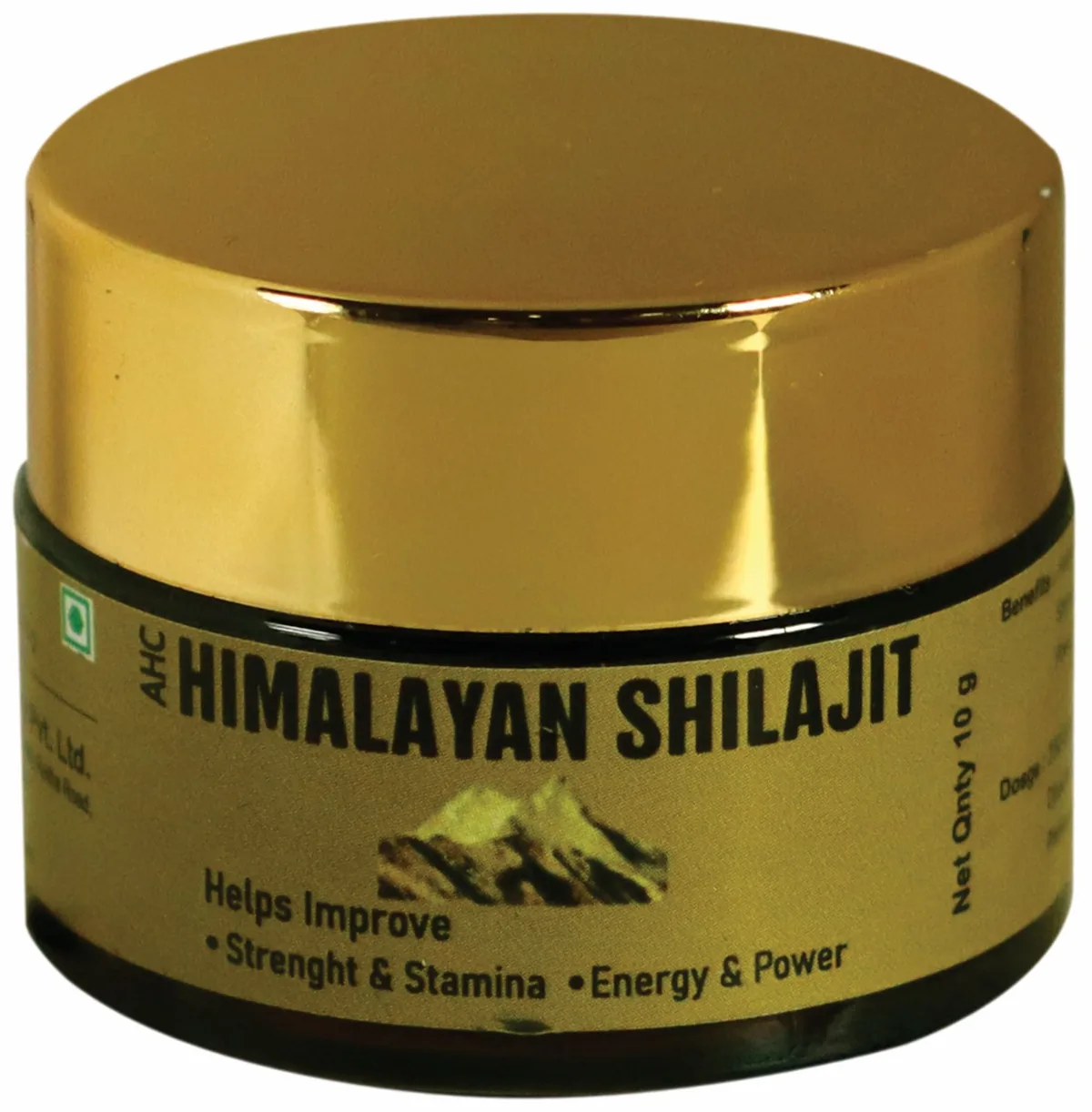
We sell Adamya Herbals Himalayan Shilajit Resin, 10 g because resin is the traditional, least processed form and is easy for customers to inspect. It costs ₹399 (MRP ₹799) and the label dose is 250–500 mg a day. See how to take shilajit resin or order here.
Doctor's note
The form does not change who should be careful. Children under 12, pregnant and breastfeeding women, and anyone with a heart condition, gout or high uric acid, iron overload, a chronic illness or on regular medicines should consult a doctor first. Don't combine several shilajit products at once. More in our shilajit guide.
Frequently asked questions
Which is better: shilajit resin or capsules?
- Neither is best for everyone. Resin is the least processed and easiest to check at home; capsules are more convenient with a fixed dose. Choose a labelled product from a licensed maker either way.
Is shilajit powder as good as resin?
- Powder is a dried extract. It is easy to mix but harder to verify and can clump with moisture. Resin is closer to the traditional form. Read the label carefully for either.
Are shilajit gummies a good option?
- Gummies contain added sugar and other ingredients, and shilajit content varies. Check how much shilajit each gummy contains before buying.
Can I take shilajit resin and capsules together?
- It is best not to combine several shilajit products, as it becomes easy to exceed the dose. Stick to one product at its label dose.
Shilajit guides
Benefits, how to take it, pure vs fake, forms, side effects and price — in plain language.
- Shilajit benefits: what Ayurveda traditionally uses it forWhat shilajit is, the benefits Ayurveda traditionally describes — strength, stamina, energy and vitality — and the honest limits of what a supplement can do.
- How to take shilajit resin: dose, timing and the right wayA step-by-step guide to taking shilajit resin — how much, when, with water or milk, how long to continue, and the common mistakes to avoid.
- How to identify original (pure) shilajit: home checks and label checksSimple home checks for pure shilajit resin, why they are only rough guides, and the label and seller checks that matter most.
- Shilajit side effects: precautions and who should avoid itPossible side effects of shilajit, who should not take it or should check with a doctor first, and simple ways to use it more safely.
- Shilajit price in India: how to compare and what to look forHow to compare shilajit prices fairly — per gram and per day — why very cheap shilajit is a warning sign, and what our 10 g resin costs.
Related remedies
 Giloy (guduchi): how it's used, a simple kadha and who should avoid itGiloy, the heart-leaved climber called guduchi or amrita in Ayurveda, became a household name during the pandemic. Traditionally it's used for recurring fevers, low immunity and digestion. Here's how to use it sensibly in a mild decoction, and why it isn't for everyone.
 Jeera (cumin): roasted jeera powder and other everyday digestive usesCumin is the backbone of the Indian tadka. A jar of freshly roasted jeera powder — sprinkled on raita, buttermilk, chaat and fruit — is one of the simplest ways to add flavour and gentle digestive support to daily meals.
 Brahmi: the memory herb — tea, oil massage and knowing which plant is whichBrahmi is Ayurveda's most famous medhya (mind-nourishing) herb, used for memory, concentration and calm. It's taken as a mild tea or ghee preparation and used as a cooling head-massage oil. Two different plants go by the name, so it helps to know which you're buying.
Related recipes
Related products
Get a weekly dose of Ayurveda
One seasonal tip, one remedy and one simple habit — every week, in English or Hindi. No spam, unsubscribe any time.