The three doshas explained: vata, pitta and kapha in plain language
Vata, pitta and kapha are the foundation of Ayurveda. Learn what each dosha means, how they show up in daily life, and how to keep them in balance.
Published 12 September 2026 · 4 min read
If you have spent any time reading about Ayurveda, you will have met three words again and again: vata, pitta and kapha. Together they are called the three doshas, and they are the lens through which Ayurveda looks at the body, the mind, food, the seasons and even the time of day.
The idea can seem mysterious at first, but it is really a way of describing qualities we all recognise — dry and oily, hot and cold, light and heavy, moving and still.
Five elements, three doshas
Ayurveda describes everything in nature as made of five elements: space (akasha), air (vayu), fire (agni), water (jala) and earth (prithvi). In living beings these elements combine into three functional forces:
- Vata — space and air. The principle of movement.
- Pitta — fire with a little water. The principle of transformation.
- Kapha — water and earth. The principle of structure and stability.
Every person has all three. What differs is the proportion.
Vata: the energy of movement
Vata governs everything that moves: breathing, the heartbeat, the passage of food through the gut, nerve impulses and the flow of thoughts. Its qualities are dry, light, cold, rough, subtle and mobile.
When vata is balanced, a person tends to be creative, quick, enthusiastic and adaptable. When it is out of balance, you may notice dry skin, constipation and gas, cold hands and feet, restless sleep, worry and a scattered mind.
Vata is aggravated by irregular routines, travel, cold and windy weather, skipped meals, too many raw or dry foods, and overstimulation. It is calmed by warmth, routine, oil (both eaten and massaged into the skin), cooked and grounding foods, and rest.
Pitta: the energy of transformation
Pitta governs digestion, metabolism, body temperature, vision and the sharpness of the intellect. Its qualities are hot, sharp, light, slightly oily and intense.
Balanced pitta shows up as a strong appetite, warmth, clear thinking, courage and leadership. Excess pitta may appear as acidity and heartburn, skin rashes, excessive body heat, irritability, impatience and perfectionism.
Pitta is aggravated by very spicy, sour, salty, fried or fermented foods, alcohol, strong sun, skipping meals and competitive stress. It is soothed by cooling foods such as cucumber, coriander, fennel and sweet fruits, by moonlight walks, time in nature, and by learning to slow down.
Kapha: the energy of structure
Kapha provides the body's structure and lubrication — the joints, the tissues, the mucous membranes and immunity. Its qualities are heavy, slow, cool, oily, smooth and stable.
A person with balanced kapha is calm, loyal, patient and physically strong, with good stamina. When kapha builds up, it can show as sluggishness, oversleeping, weight gain, congestion and mucus, heaviness after meals and a resistance to change.
Kapha is increased by heavy, sweet, cold and oily foods, daytime sleep, and inactivity. It is balanced by regular vigorous exercise, light and warm meals, pungent spices such as ginger and black pepper, waking early and seeking new experiences.
Prakriti and vikriti
Ayurveda uses two important ideas. Prakriti is your natural constitution — the unique mix of doshas you were born with. Some people are predominantly one dosha, many are a combination of two, and a few are fairly evenly balanced. Vikriti is your current state — the way your doshas have shifted because of diet, season, age, stress or illness.
The goal is not to change your prakriti. It is to notice when your vikriti drifts away from it and to gently guide it back.
Simple ways to notice your doshas
Online quizzes can be a fun starting point, but they are rough guides. A more useful habit is simply to observe yourself:
- Do you tend to feel cold and dry, and worry when stressed? Vata may be rising.
- Do you feel hot, hungry and irritable, perhaps with heartburn? Pitta may be high.
- Do you feel heavy, slow and congested, and find it hard to get going? Kapha may be accumulating.
The seasons play a part too. Vata tends to rise in autumn and early winter, pitta in summer, and kapha in late winter and spring.
Balancing with "like increases like"
The key principle is that similar qualities increase each other, and opposite qualities restore balance. Cold, dry weather increases dry, cold vata, so warm soups and oil massage help. Hot weather and spicy food increase pitta, so cooling foods and calm activities help. Heavy, damp days increase kapha, so light meals and brisk movement help.
A word of caution
Understanding the doshas is a wonderful tool for self-awareness, but it is not a diagnosis. Symptoms such as persistent pain, weight loss, breathlessness or changes in bowel habits need proper medical assessment. If you would like a detailed reading of your constitution, consult a qualified Ayurvedic practitioner (BAMS), and keep your regular doctor informed about any herbs or major diet changes.
Related remedies
 Mindful eating and the ‘three-quarters full’ ruleHow you eat matters as much as what you eat. Ayurveda's classic advice — sit down, eat without distraction, chew well and stop when the stomach is about three-quarters full — is one of the simplest tools for weight control and better digestion.
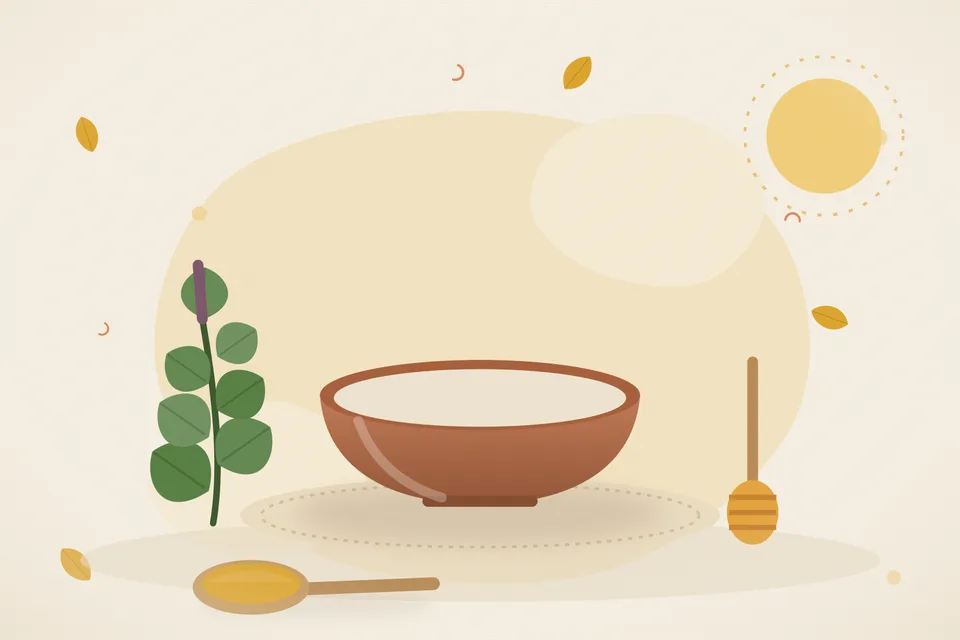 Tulsi and honey morning spoon with three fresh leavesThree fresh tulsi leaves crushed with a little honey make a morning spoon in many homes. No honey for babies under one year. This is supportive and not a substitute for a doctor.
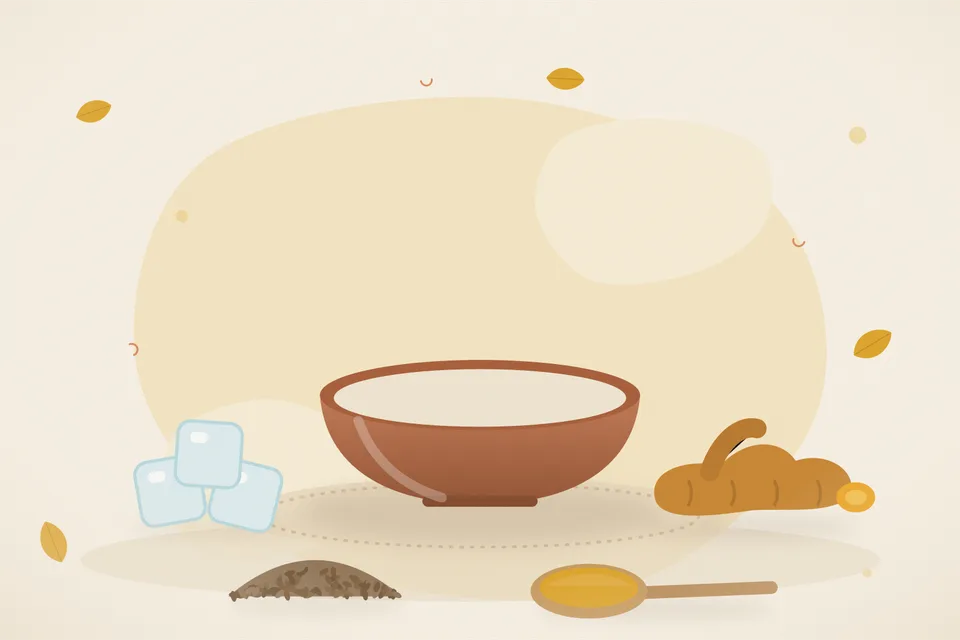 Plain rice finished with a pinch of turmeric and a few drops of gheePlain rice finished with a pinch of turmeric, a few cumin seeds and a few drops of ghee is everyday food, not a special bowl. It is supportive and not a substitute for a doctor.
Get a weekly dose of Ayurveda
One seasonal tip, one remedy and one simple habit — every week, in English or Hindi. No spam, unsubscribe any time.