Herbs & foods15 min
Saunf (fennel): a cooling summer sharbat and its many kitchen uses
Fennel is the sweet, cooling seed Indians chew after meals. It's also the base of a lovely summer sharbat, a key flavour in Kashmiri and Bengali cooking, and a gentle digestive suited even to people with a lot of body heat.
The Ayurvedic view
Mishreya or shatapushpa, as fennel is called in Ayurveda, is sweet and slightly pungent with a cooling effect — unusual among digestive spices, most of which are heating. That makes it ideal for pitta: acidity, burning, hot weather and irritability. It relieves gas and cramps (vata) without aggravating heat, and freshens the breath.
Ingredients
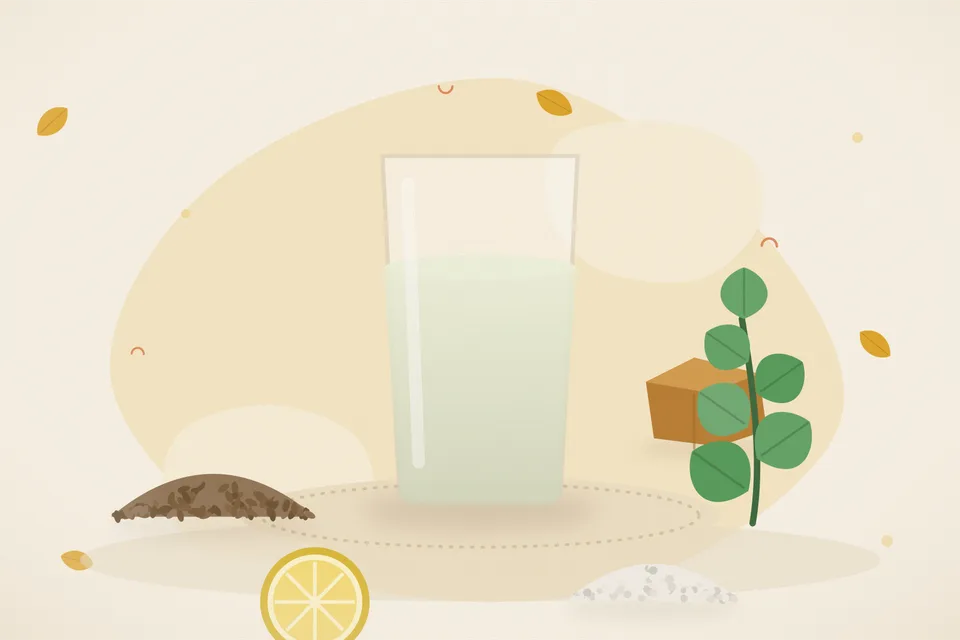
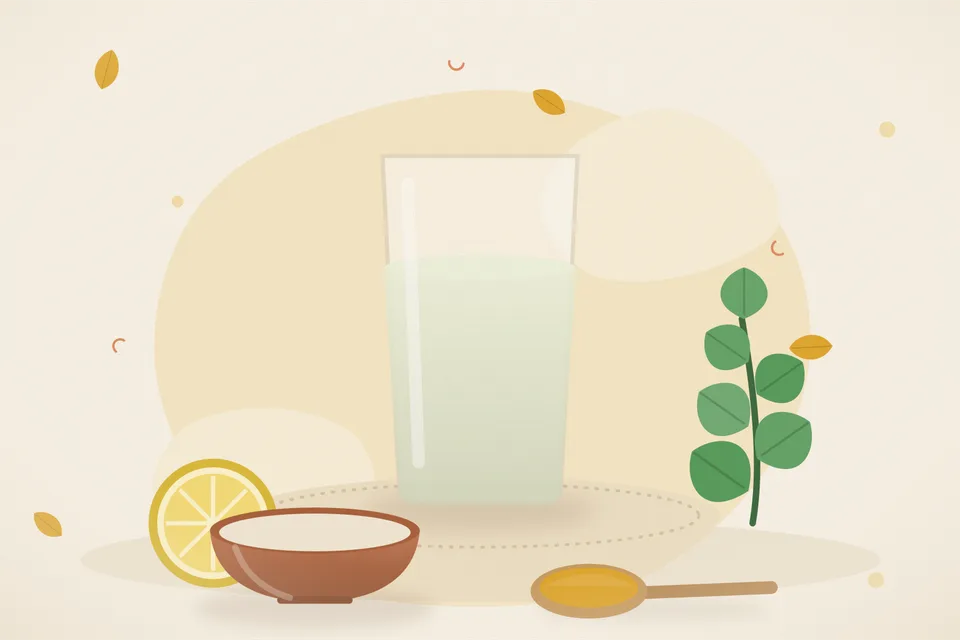
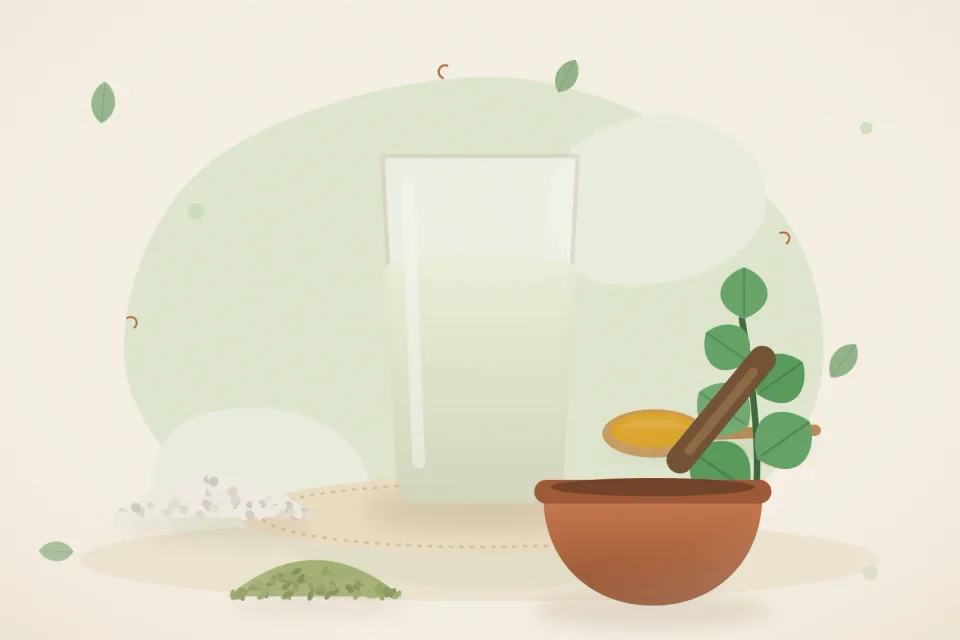
- Saunf sharbat: 3 tablespoons saunf, 2 cups water, 1–2 tablespoons mishri or sugar, a pinch of black salt, juice of ½ lemon
- A few mint leaves and ice to serve
How to prepare
- Soak the saunf in 1 cup water for 2–3 hours (or overnight in the fridge).
- Grind with the soaking water and mishri, add the second cup of water, and strain through a fine sieve.
- Add black salt and lemon; serve cool with mint.
How to use
- Drink a glass of saunf sharbat on hot afternoons or when you feel acidity and burning.
- In cooking, use fennel in panch phoron (Bengali five-spice), in Kashmiri gravies with dry ginger, in pickles, and in the tadka for lauki and pumpkin.
- Chew ½ teaspoon of plain or lightly roasted saunf after meals.
Helpful habits
- Lucknowi saunf (small, bright green) has the sweetest flavour.
- Sugar-coated mukhwas is candy; plain fennel is the healthier choice.
Precautions
- People with diabetes should make the sharbat without sugar or with very little.
- Fennel in food amounts is fine in pregnancy; avoid concentrated fennel oil or supplements, which have oestrogen-like effects. Women with hormone-sensitive conditions should also avoid supplements.
- Don't give fennel tea, gripe water or other preparations to infants without a paediatrician's advice.
- People allergic to celery, carrot or mugwort may react to fennel.