Ayurvedic remedies for asthma: breathing practice, warm diet and trigger control as support
Asthma needs proper medical treatment, usually with inhalers, but daily habits can make a real difference to how you feel. These Ayurvedic remedies for asthma — gentle breathing practice, warm and light evening meals, avoiding known triggers, and traditional spices like turmeric and ginger in food — are meant to support your prescribed treatment, never to replace it.
Important: this remedy is only a supportive home measure. Keep taking any medicine your doctor has prescribed, monitor your readings, and consult your doctor before adding anything new.
Ayurvedic remedies for asthma: tamaka shwasa and modern care
Asthma is long-term inflammation of the airways that makes them narrow and sensitive, causing wheezing, chest tightness, cough and breathlessness. Triggers include dust mites, pollen, smoke, pollution, cold air, infections, exercise and strong smells. Preventer inhalers reduce inflammation; reliever inhalers open the airways during attacks.
Ayurveda describes a similar condition as tamaka shwasa, linked with kapha and vata blocking the respiratory channels. Traditional care includes warm, light food, avoiding cold and heavy items at night, steam, and pranayama. Herbal formulations should only be taken under a qualified practitioner alongside your doctor.
Ingredients
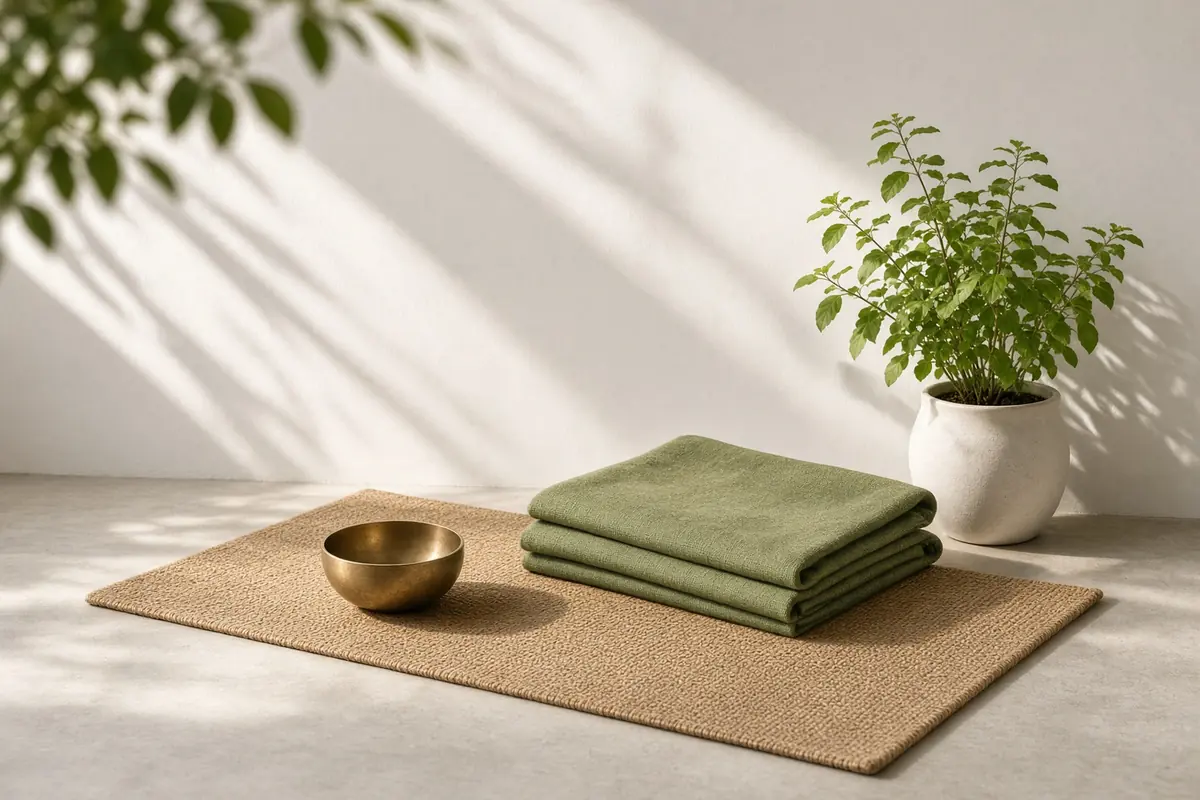
- A quiet space for 10 minutes of breathing practice
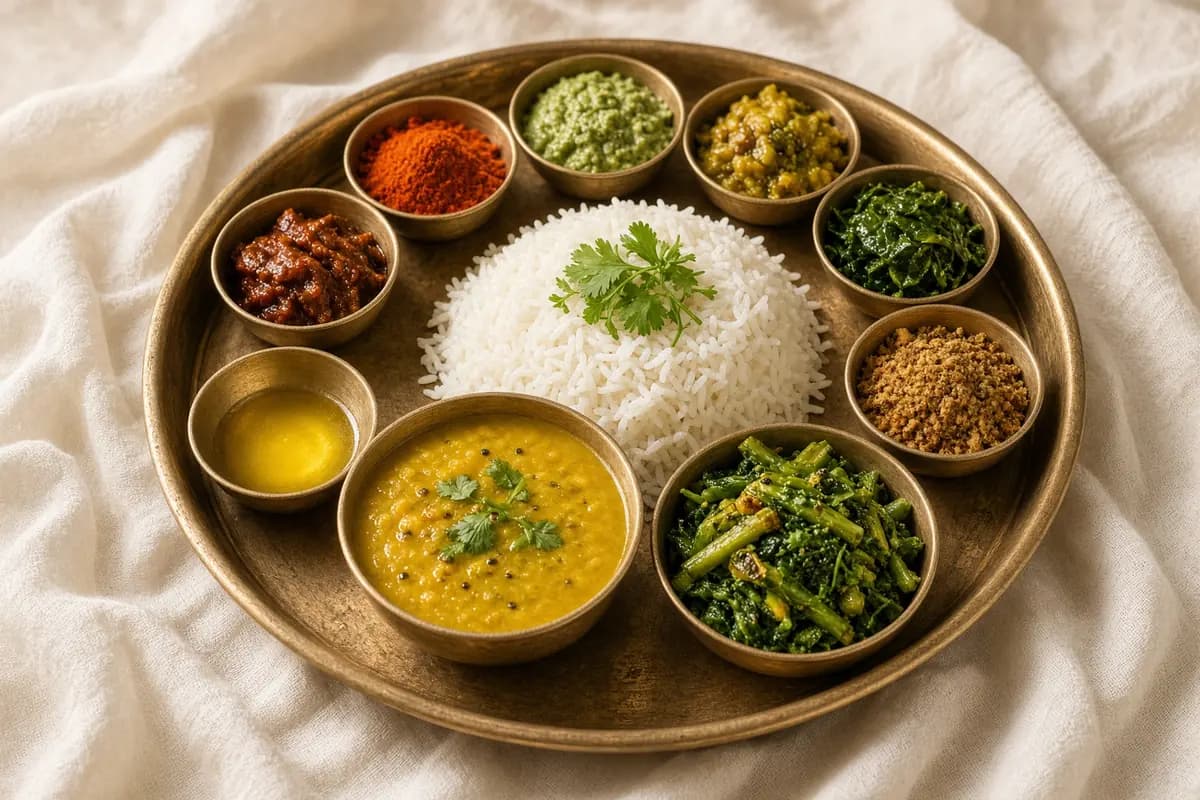
- Warm water and light dinners: soups, khichdi, cooked vegetables
- Turmeric, ginger and black pepper in cooking
- Dust-proof pillow and mattress covers
How to prepare
- Learn pranayama from a trained teacher, ideally one who has worked with asthma.
How to use
- Practise slow belly breathing, anulom-vilom and bhramari for 10 minutes daily when well — never during an attack.
- Eat an early, light, warm dinner; avoid curd, ice cream, cold drinks and fried food at night.
- Wash bedding weekly in hot water, reduce clutter and keep pets out of the bedroom if they trigger symptoms.
- Keep your reliever inhaler with you at all times.
Helpful habits
- Wear a mask on high-pollution days and avoid incense, mosquito coils and smoke indoors.
- Get the flu vaccine as advised by your doctor.
- Keep a written asthma action plan from your doctor.
Precautions
- Continue prescribed treatment: never stop or reduce inhalers or steroids on your own, even if you feel better.
- Pregnant women with asthma must stay on their treatment — uncontrolled asthma is riskier for the baby than inhalers. Children with asthma need a paediatrician's plan.
- Don't take herbal powders, bhasmas or 'asthma cures' without your doctor's knowledge — some interact with medicines or contain steroids or heavy metals.
- Call emergency services for severe breathlessness, difficulty speaking, blue lips, or if the reliever inhaler isn't helping.
Frequently asked questions
Can Ayurveda cure asthma?
- No treatment cures asthma. Ayurvedic lifestyle measures may help alongside inhalers to keep symptoms controlled.
Is pranayama good for asthma?
- Gentle breathing practices may improve breathing control and quality of life for some people. Learn them when well, not during an attack.
What foods should asthma patients avoid?
- Common personal triggers include cold drinks, ice cream, very heavy or fried food at night, and foods you are allergic to.