Women's health20 min
Iron-rich Indian foods for anaemia: greens, jaggery, dates and a squeeze of lemon
Anaemia is extremely common among Indian women and girls, causing tiredness, breathlessness, hair fall and pale skin. Iron-rich foods — leafy greens, dals, jaggery, dates, sesame and millets like ragi and bajra — eaten with vitamin C help, alongside the tests and supplements your doctor advises.
The Ayurvedic view
Ayurveda describes pandu roga, a condition of pallor and weakness, and links healthy blood (rakta dhatu) with good digestion and nourishing food. Modern science adds a useful detail: iron from plants is absorbed better when eaten with vitamin C (lemon, amla, guava, tomato) and worse with tea or coffee at the same meal. Cooking in an iron kadhai can also add a little iron to food.
Ingredients
- Palak, methi, bathua, drumstick leaves or amaranth (chaulai)
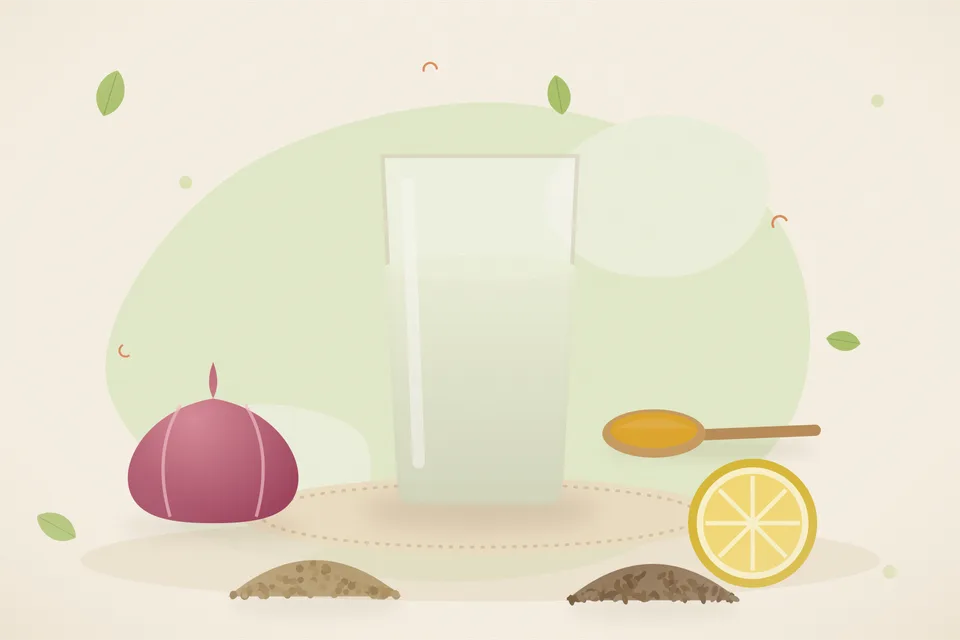
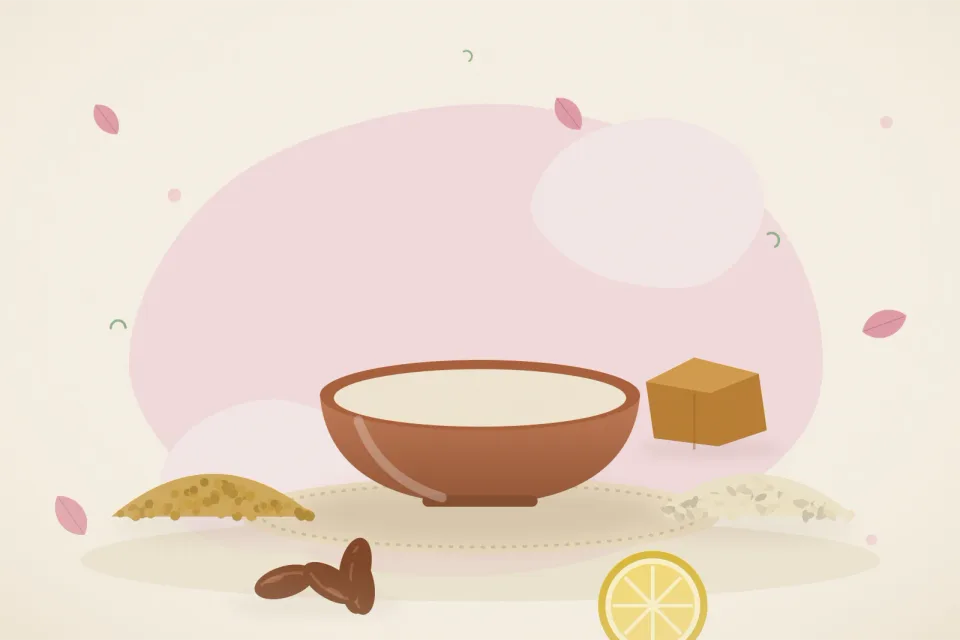
- Dals and sprouts, roasted chana, sesame (til), ragi or bajra
- 1–2 dates, a small piece of jaggery
- Lemon, amla or guava for vitamin C
How to prepare
- Cook greens with dal (palak dal, methi dal) in an iron kadhai when possible.
- Make til–gud chikki or laddoo, or keep dates and roasted chana as snacks.
How to use
- Include one iron-rich food at every meal and squeeze lemon over dal, sabzi or salad.
- Keep tea and coffee at least one hour away from main meals.
- Eat a guava, orange or amla daily.
Helpful habits
- Treat worms and heavy periods — they're common causes of anaemia; your doctor can advise deworming.
- Pregnant women, adolescent girls and people with heavy periods should have haemoglobin checked regularly.
Precautions
- Diet alone may not correct moderate or severe anaemia — get a blood test and take iron, folic acid or B12 as prescribed.
- Don't take iron supplements without testing; excess iron is harmful, and some anaemias are not due to iron deficiency.
- People with diabetes should limit jaggery and dates. See a doctor for severe breathlessness, chest pain, fainting or black stools.