PCOS lifestyle support: regular meals, movement, sleep and seed-rich food
Polycystic ovary syndrome (PCOS/PCOD) affects many young Indian women, with irregular periods, acne, weight gain and excess hair. Medical care is essential — and daily habits like regular balanced meals, strength and cardio exercise, good sleep and stress care make treatment work better.
Important: this remedy is only a supportive home measure. Keep taking any medicine your doctor has prescribed, monitor your readings, and consult your doctor before adding anything new.
The Ayurvedic view
PCOS is a hormonal and metabolic condition closely linked with insulin resistance. Ayurveda doesn't name PCOS as such, but would see a pattern of kapha blocking the channels (heaviness, weight gain, sluggish cycles) with vata disturbing the rhythm of menstruation. The emphasis is on lightening kapha through activity and diet, and on a steady routine. Even a 5–10% weight reduction, where needed, often helps cycles become more regular.
Ingredients
- Meals built on vegetables, dals, sprouts, paneer or eggs, and whole grains or millets
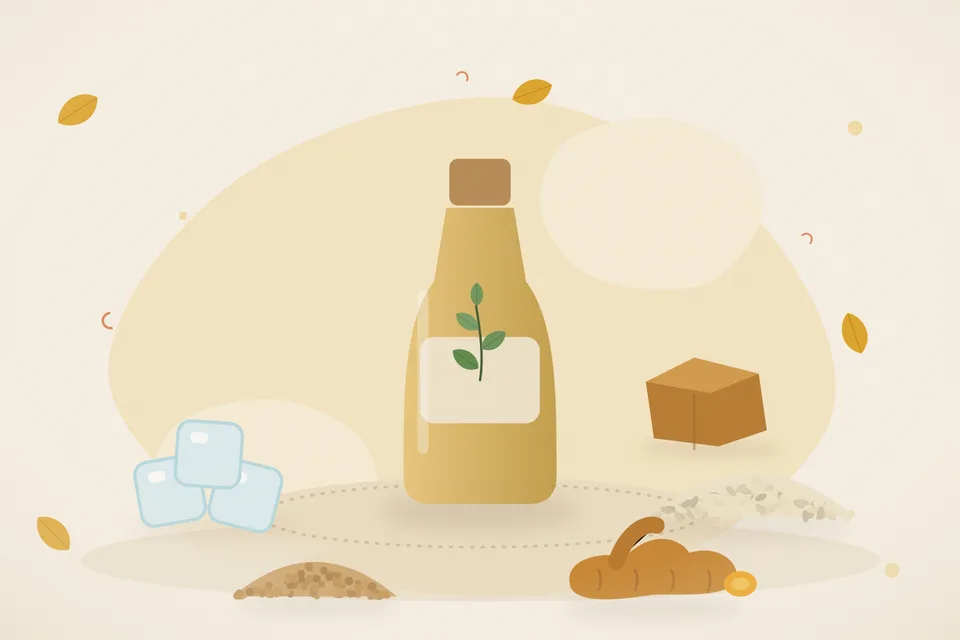
- 1 tablespoon mixed seeds daily: roasted flaxseed, pumpkin and sesame
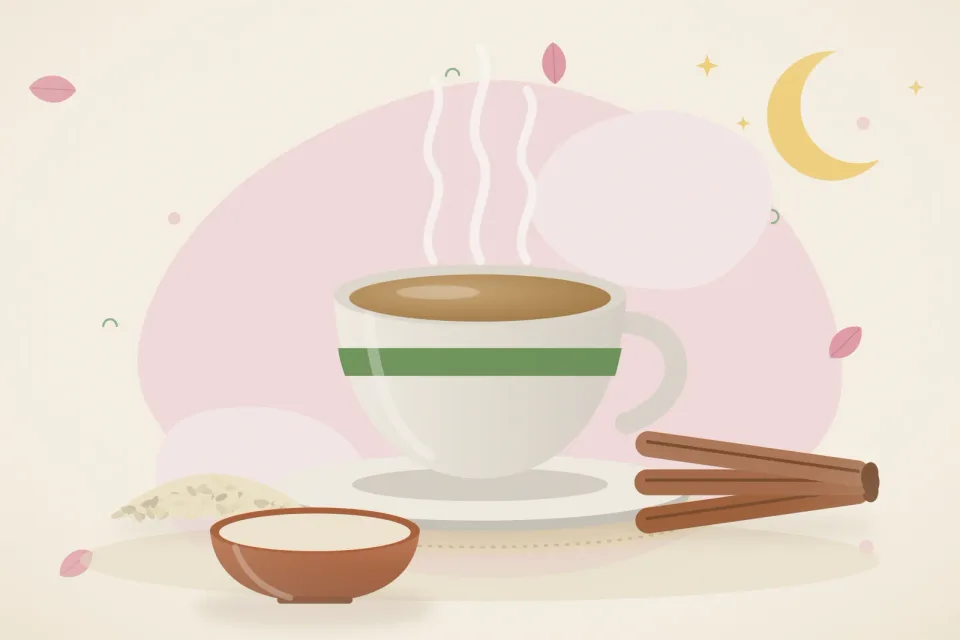
- A pinch of cinnamon in morning tea or oats (optional)
How to prepare
- Roast and store the seed mix in a jar for the week.
- Plan three meals and one or two small snacks at regular times.
How to use
- Include protein and fibre in every meal; keep refined carbs, sweets and sugary drinks occasional.
- Exercise at least 150 minutes a week — brisk walks, cycling or dance — plus strength training twice a week.
- Sleep 7–8 hours at regular times; manage stress with yoga or pranayama.
- Track your cycles in a diary or app to share with your doctor.
Helpful habits
- Focus on habits you can keep for a year, not a month.
- Talk openly with your doctor about acne, hair growth and mood — all are part of PCOS care.
Precautions
- Continue any medicines prescribed by your gynaecologist or endocrinologist; don't substitute herbal products without their advice.
- Get regular checks for blood sugar, cholesterol, thyroid and blood pressure as advised.
- See a doctor promptly for very heavy or prolonged bleeding, no periods for three months, or if you're planning pregnancy.