Natural ways to improve fertility: healthy weight, nourishing food, timing and lifestyle for both partners
Trying for a baby can be exciting and, at times, stressful. These natural ways to improve fertility — reaching a healthy weight, eating nourishing whole foods, starting folic acid, understanding your fertile window, managing stress and avoiding smoking and alcohol — support conception for both partners, while a doctor helps if it's taking longer than expected.

Important: this remedy is only a supportive home measure. Keep taking any medicine your doctor has prescribed, monitor your readings, and consult your doctor before adding anything new.
Natural ways to improve fertility: what the evidence supports
Fertility depends on healthy eggs, sperm, ovulation and open tubes. Age is the biggest factor for women, especially after 35. Weight (too high or too low), smoking, alcohol, PCOS, thyroid disorders and stress affect it, and male factors contribute to about half of cases. Most couples conceive within a year of regular unprotected intercourse.
Ayurveda speaks of shukra dhatu and the importance of healthy ritu (season/timing), kshetra (womb), ambu (nourishment) and beeja (seed) for conception, recommending nourishing food, calm routine and preparation of both partners.
Ingredients
- Folic acid (400 mcg daily, started at least 3 months before trying — as advised by your doctor)
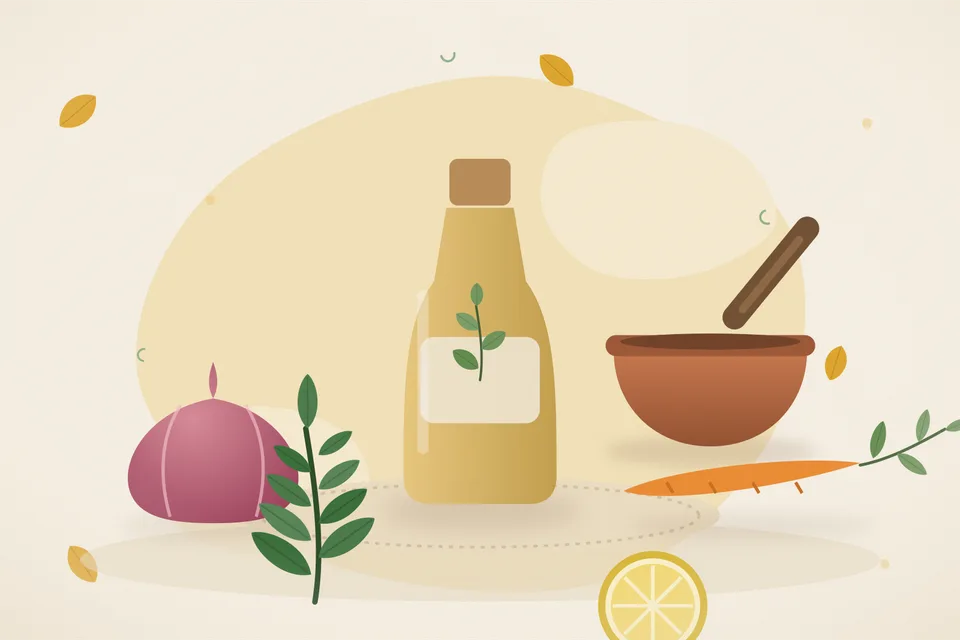
- Nourishing foods: dals, green leafy vegetables, fruits, nuts, seeds, milk, ghee in moderation
- Zinc and antioxidant foods for men: pumpkin seeds, nuts, citrus, tomatoes
- An ovulation calendar or app
How to prepare
- Both partners get a basic health check (sugar, thyroid, haemoglobin, BP, semen analysis if needed).
How to use
- Aim for a healthy weight through balanced meals and 30 minutes of daily activity.
- Have intercourse every 2–3 days, especially during the fertile window (about 5 days before and the day of ovulation).
- Avoid smoking, alcohol and excess caffeine; limit laptop heat on the lap and hot tubs for men.
- Practise stress relief — yoga, walks, time together.
Helpful habits
- Track cycles for a few months to understand your pattern.
- Keep up with vaccinations like rubella before pregnancy.
- Share the journey — fertility is a couple's concern.
Precautions
- Continue prescribed treatment. Don't take fertility herbs, 'putrajeevak' mixes or supplements without medical advice — some contain hormones or heavy metals, or interact with medicines.
- Once pregnant, stop herbs not approved by your doctor; continue folic acid.
- If you have diabetes, thyroid disease, epilepsy, high BP or take regular medicines, plan pregnancy with your doctor so medicines can be adjusted safely.
- See a fertility specialist after 12 months of trying (6 months if over 35), or sooner with irregular or absent periods, known PCOS or endometriosis, past pelvic infections or male sexual problems.
Frequently asked questions
What is the best time to conceive in a cycle?
- The fertile window is about 5 days before ovulation and the day of ovulation. In a 28-day cycle, ovulation is usually around day 14.
Which foods improve fertility?
- A balanced diet rich in vegetables, fruits, whole grains, dals, nuts and healthy fats supports fertility for both partners.
When should we see a fertility doctor?
- After 1 year of trying if under 35, after 6 months if over 35, or sooner if there are known problems.