Shilajit side effects: precautions and who should avoid it
Possible side effects of shilajit, who should not take it or should check with a doctor first, and simple ways to use it more safely.
Published 26 September 2026 · 3 min read
Shilajit is a traditional supplement, and like anything you take regularly it is not suitable for everyone. Most problems come from taking too much, using impure products, or taking it when you have a condition that needs medical advice. Here is what to know before you start.
Possible side effects of shilajit
Some people may notice:
- Stomach upset, nausea or loose stools, especially on an empty stomach or at a higher dose
- Rash, itching or other signs of allergy
- Feeling too warm — Ayurveda considers shilajit warming, so some people feel uncomfortable in hot weather or at higher amounts
- Headache or feeling unwell
If you notice any of these, stop taking it. Seek medical help straight away for swelling of the face or lips, breathing difficulty or a severe rash.
Who should not take shilajit (or should see a doctor first)
- Children under 12 — do not give shilajit to children unless a doctor advises it.
- Pregnant and breastfeeding women — avoid unless your doctor says otherwise.
- Heart conditions or blood pressure problems
- Gout or high uric acid
- Iron overload (haemochromatosis) — shilajit contains minerals including iron
- Kidney or liver disease, or any other chronic illness
- Anyone taking regular medicines (for example for blood pressure, blood sugar or thyroid)
- Anyone with a scheduled surgery — tell your doctor about every supplement you take
Side effects from impure shilajit
Raw or unpurified shilajit may contain impurities, including heavy metals and fungal contamination. This is one of the biggest risks and is avoidable. Buy only labelled products from licensed manufacturers. See how to identify original shilajit.
When should you not take shilajit?
- When you are unwell with a fever or an acute illness
- Together with several other shilajit or mineral supplements
- Above the dose on your label (usually 250–500 mg a day)
How to use shilajit more safely
- Start with the smaller amount (rice-grain size) for the first week.
- Take it once a day, dissolved in warm water or milk, preferably after a light breakfast. See how to take shilajit resin.
- Take it as a course with breaks, as advised by your practitioner.
- Keep the jar out of reach of children.
Our product
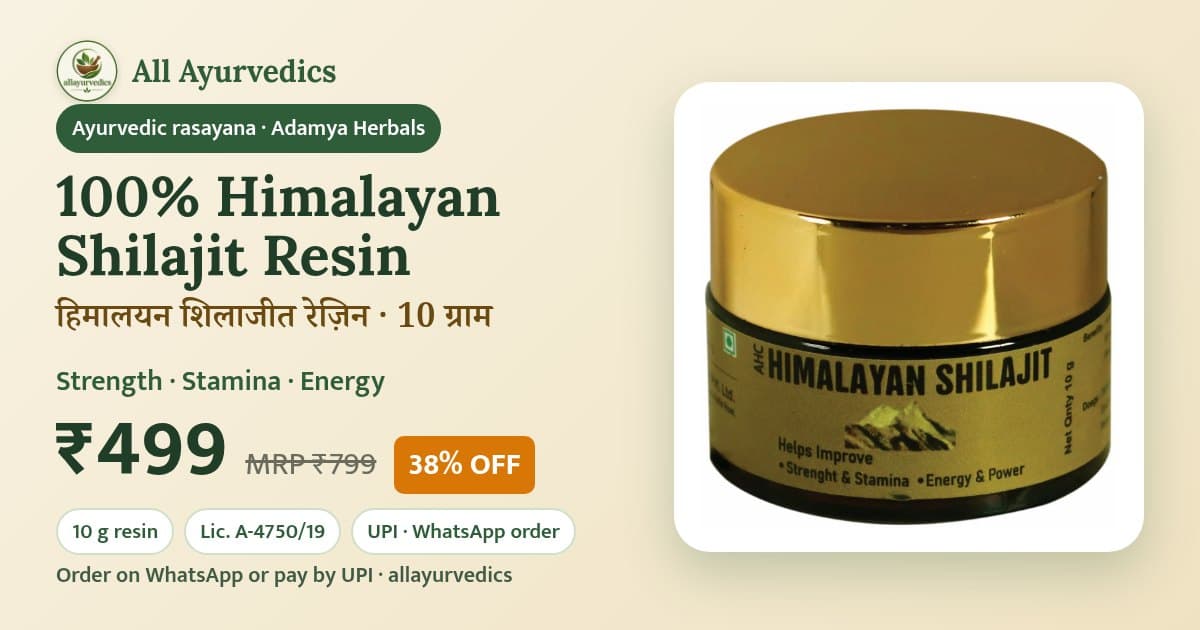
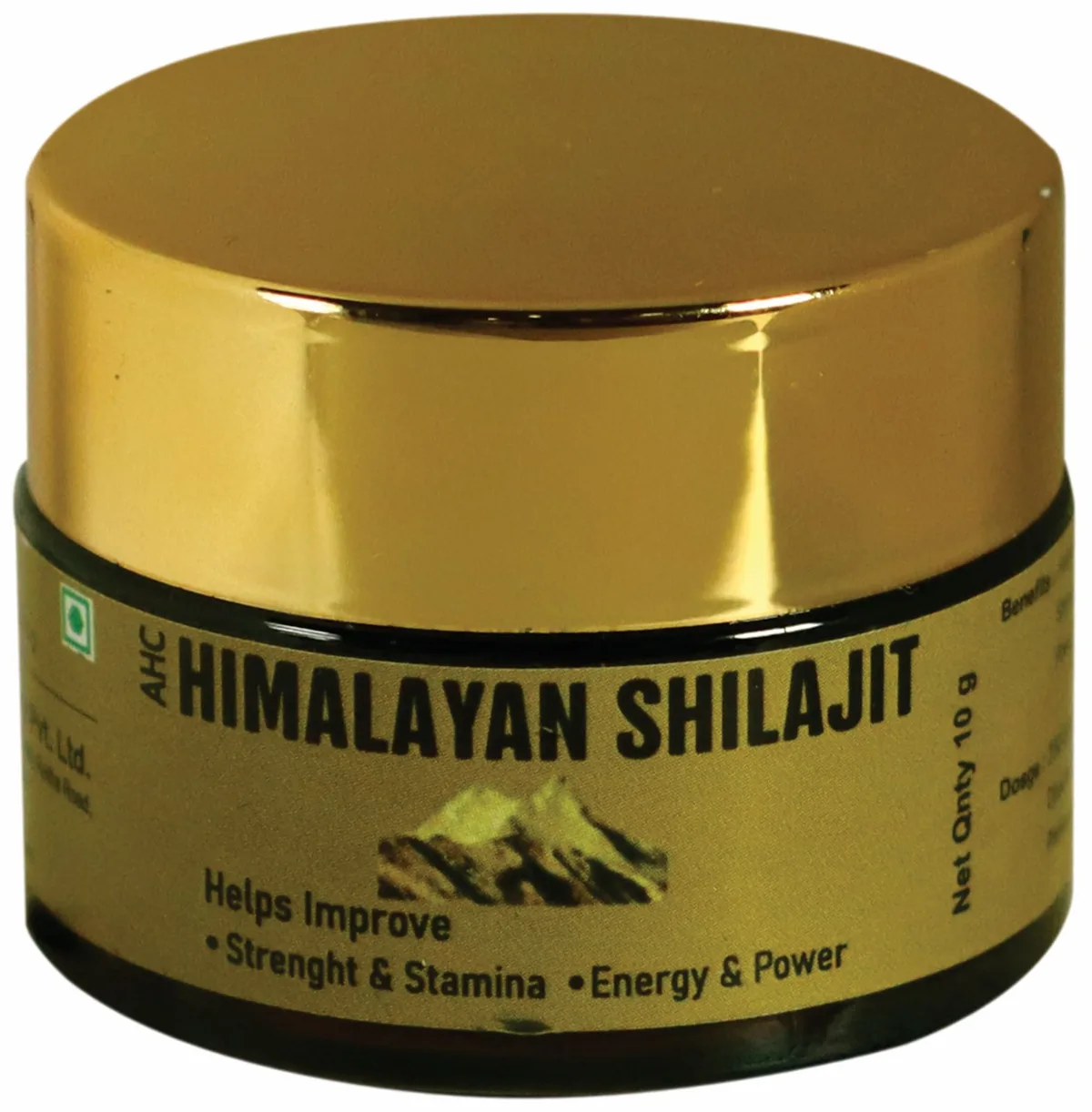
Adamya Herbals Himalayan Shilajit Resin, 10 g (₹399, MRP ₹799) carries its dose and cautions — including for children under 12 and pregnant or breastfeeding women — on the label. Order here.
Doctor's note
This page is general information, not medical advice. If you have any health condition, take regular medicines, or are unsure, talk to a qualified doctor or Ayurvedic practitioner before taking shilajit. Stop and seek help if anything feels wrong. More in our shilajit guide.
Frequently asked questions
What are the side effects of shilajit?
- Some people may get stomach upset, nausea, a rash or itching, or feel too warm, especially at higher doses. Stop taking it if you notice these, and seek medical help for any severe reaction.
Who should not take shilajit?
- Children under 12 and pregnant or breastfeeding women should avoid it unless a doctor advises otherwise. People with heart conditions, gout or high uric acid, iron overload, kidney or liver disease, other chronic illnesses or on regular medicines should consult a doctor first.
Does shilajit cause heat in the body?
- Ayurveda considers shilajit warming. Some people feel too warm in hot weather or at higher amounts. Keep to the label dose, take it with milk, and stop if it doesn't suit you.
Is shilajit safe for the kidneys?
- People with kidney disease should not take shilajit or any mineral supplement without their doctor's advice. Healthy adults should stay within the label dose and use purified, labelled products.
Shilajit guides
Benefits, how to take it, pure vs fake, forms, side effects and price — in plain language.
- Shilajit benefits: what Ayurveda traditionally uses it forWhat shilajit is, the benefits Ayurveda traditionally describes — strength, stamina, energy and vitality — and the honest limits of what a supplement can do.
- How to take shilajit resin: dose, timing and the right wayA step-by-step guide to taking shilajit resin — how much, when, with water or milk, how long to continue, and the common mistakes to avoid.
- How to identify original (pure) shilajit: home checks and label checksSimple home checks for pure shilajit resin, why they are only rough guides, and the label and seller checks that matter most.
- Shilajit resin vs capsule vs powder: which form should you choose?An honest comparison of shilajit resin, capsules, powder and gummies — processing, dosing, convenience and what to check on each label.
- Shilajit price in India: how to compare and what to look forHow to compare shilajit prices fairly — per gram and per day — why very cheap shilajit is a warning sign, and what our 10 g resin costs.
Related remedies
 Giloy (guduchi): how it's used, a simple kadha and who should avoid itGiloy, the heart-leaved climber called guduchi or amrita in Ayurveda, became a household name during the pandemic. Traditionally it's used for recurring fevers, low immunity and digestion. Here's how to use it sensibly in a mild decoction, and why it isn't for everyone.
 Moringa (sahjan): cooking the leaves, pods and flowers for everyday nutritionThe drumstick tree growing in so many Indian backyards is a nutrition powerhouse. Its leaves are rich in iron, calcium, vitamin A and protein, and its pods are a favourite in sambar. The best way to benefit is simply to cook it as food, regularly.
 Neem: the village pharmacy for skin, scalp and home hygieneNeem has been called the ‘village pharmacy’ of India. Its bitter leaves are mostly used externally — in bath water, face packs, hair rinses and as a natural insect deterrent — and occasionally in food, such as neem-flower dishes during Ugadi.
Related products
Get a weekly dose of Ayurveda
One seasonal tip, one remedy and one simple habit — every week, in English or Hindi. No spam, unsubscribe any time.